The International Rescue Committee (IRC) warned on 5 March 2026 that humanitarian needs in Lebanon are rising rapidly amid escalating violence and growing displacement. The organization said hostilities between Hezbollah and Israel escalated dramatically from 1 March, marking the most serious deterioration in security conditions since the November 2024 ceasefire agreement.
According to the IRC, citing Lebanon’s Ministry of Public Health, as of 1 March at least 50 people had been killed and more than 400 injured in airstrikes targeting southern Lebanon, the Bekaa Valley, and the Beirut-Mount Lebanon region. The organization said the violence triggered widespread panic, with families fleeing with little warning and few belongings.
The IRC also reported that evacuation orders were issued for more than 100 villages across southern Lebanon and parts of the Bekaa Valley, prompting further large-scale displacement.
The organization shared stark figures on shelter pressure. According to the statement, more than 84,000 people are currently registered in collective shelters across the country, with the number doubling within 24 hours. The IRC added that hundreds of schools and public buildings have been converted into emergency shelters, while many families are staying with relatives, crowding into small apartments, or sleeping in cars while seeking safety.
The statement noted that newly displaced people include Syrian refugees who had already fled conflict once and rebuilt fragile lives in Lebanon, only to be displaced again.
The IRC stressed that Lebanon was already facing severe pressure before the latest escalation. Based on IRC protection monitoring from December 2025, 81% of households facing eviction threats reported taking on debt just to cover basic costs. The organization said the latest violence is pushing many families, including refugees and migrant workers, beyond their ability to cope.
IRC Lebanon Country Director Magda Rossmann said the IRC and its partners are mobilizing to respond to the urgent needs of displaced and conflict-affected families, while public services and host communities are coming under increasing pressure. She added that rental prices are rising, livelihood competition is increasing, and essential services such as health care, water, electricity and education are being stretched further.
According to the IRC, its response will focus on essential health care, mental health and psychosocial support, emergency cash assistance, relief items such as blankets, and protection services for vulnerable groups including children and survivors of violence. However, the organization warned that humanitarian funding for Lebanon is already severely underfunded, noting that last year’s Humanitarian Response Plan received only one-third of the required funding, meaning the pace of displacement could quickly outstrip available resources.
The IRC called for urgent flexible funding, an immediate cessation of hostilities, and full respect for international humanitarian law, including protection of civilians and civilian infrastructure.
The organization also noted that it has worked in Lebanon since 2012 and supported more than 180,000 people across the country in 2025.

IRC Warns of Mounting Humanitarian Needs in Lebanon

Related Posts





Latest from Blog
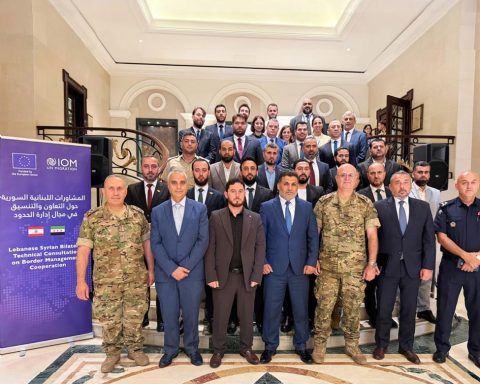
IOM Supports Lebanon–Syria Cooperation on Border Management and Migrant Protection
IOM, with European Union support, brought Lebanese and Syrian officials together to strengthen cooperation on border management. The initiative emphasizes
Civil Society Groups Demand Release of Journalist Haidar Qandil in Egypt
CPJ and partner organizations have demanded the release of journalist Haidar Qandil and other Shi'a Muslims detained in Egypt around Ashura.
UN Expert Calls for Civilian Protection in Mozambique’s Counterterrorism Response
A UN expert has urged Mozambique and its partners to place civilian protection and human rights at the center of counterterrorism operations.
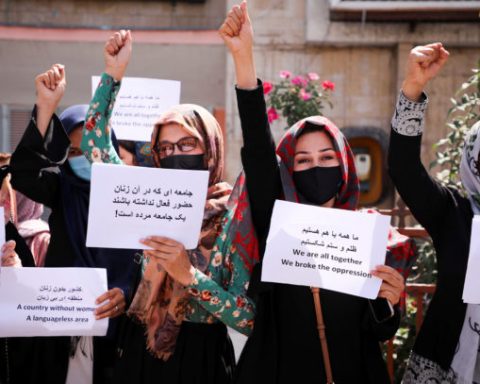
Taliban Accused of Forcibly Disappearing Six Afghan NGO Workers
HRW says six Afghan NGO workers supporting women’s and children’s rights have been missing since their detention in Kabul.
COP31 Stakeholder and Türkiye Pavilion Applications Close Today
COP31 stakeholder and Türkiye Pavilion side-event applications close today for civil society and other eligible organizations.