Civil society is one of the most essential pillars of any democratic society. It is not only the space where freedom of association is exercised, but also where criticism, participation, solidarity, and public accountability take shape. Yet in recent years, this space has come under increasing pressure in many countries. From human rights organizations and women’s groups to youth initiatives and independent media platforms, a wide range of civic actors are trying to survive in a public sphere that is becoming narrower and more difficult to navigate.
These pressures do not always appear in the form of explicit bans. Sometimes they emerge through new regulations, burdensome bureaucracy, hostile political rhetoric, or systematic attacks in digital spaces. Many measures presented as technical or administrative function in practice as tools to limit the room for civic action. Critical voices, rights-based reports, and initiatives that question public policy often become the most closely monitored and most easily targeted.
In many contexts, access to funding, permission to operate, international cooperation, and public visibility have become increasingly difficult for civil society organizations. Restrictions around donations and grants, stigmatizing narratives about foreign funding, and long, discouraging oversight procedures force many organizations to spend more energy protecting their own institutional survival than producing social impact. This does not only weaken civil society; it gradually normalizes its containment.
For independent journalists and human rights defenders, the risks can be even more immediate. Work that documents abuses, exposes local injustice, or questions the exercise of public power often creates not only institutional vulnerability but personal danger. Smear campaigns, online harassment, disinformation, threats of legal action, and professional isolation are among the shared tactics many defenders now face. In such an environment, speaking out is no longer simply an act of expression; it can also mean putting one’s safety, livelihood, and future at risk.
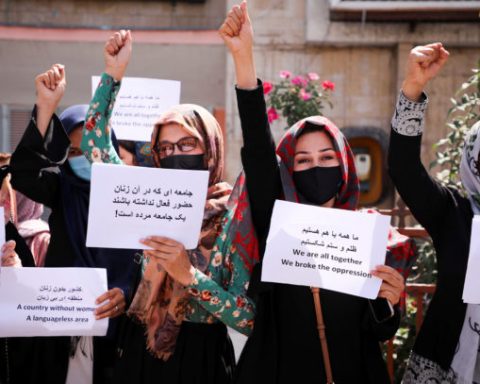
Women’s organizations, LGBTQ+ advocates, migrant rights groups, environmental movements, and youth organizations often face this pressure in even more layered ways. These actors are not only demanding rights within existing systems; they are also challenging social norms, power hierarchies, and structures of exclusion. For that reason, their work often becomes more than a struggle for rights. It also becomes a struggle for legitimacy, recognition, and public presence.
The expansion of digital space initially appeared to offer civil society a new frontier of possibility. Social media, independent publishing, online campaigns, and transnational networks made it easier to communicate, mobilize, and gain visibility. Over time, however, digital space has also become one of the main arenas of pressure. Coordinated harassment, targeted attacks on accounts, surveillance, cybersecurity risks, and disinformation campaigns have turned digital capacity into a source of vulnerability as well as strength.
And yet, it would be wrong to say that civil society has fallen silent. On the contrary, new forms of solidarity are emerging in many places. Organizations are building alliances, sharing information and resources, developing safety protocols, establishing legal support mechanisms, and using international visibility to resist local pressure. Younger generations of activists, in particular, are moving beyond conventional organizational models and experimenting with more flexible, creative, and horizontal forms of collective action.
Today, one of civil society’s greatest strengths lies not only in its organizational structure but in its ability to keep public conscience alive. Even under pressure, publishing a report, amplifying a survivor’s story, documenting a violation, or standing with communities pushed into silence carries enormous significance. These acts are not only interventions in the present; they are also contributions to public memory.
The deeper question is what democratic systems actually expect from civil society. Do they want organizations that merely deliver services, avoid conflict, and fill institutional gaps? Or do they accept the legitimacy of independent actors that question power, demand accountability, and remind institutions of their obligations? The answer to that question shapes not only the future of civic space, but the quality of democracy itself.
The cost of speaking out may be rising in many places. But history shows that civil society under pressure does more than endure. It also creates new forms of political imagination, collective courage, and democratic possibility. That is why defending civil society today is not only about protecting organizations. It is about defending freedom of expression, the right to participate, and the possibility of a more just public future.