Press freedom debates in Mongolia are entering a new phase as media lawyers and journalists build a stronger collective response to legal and regulatory challenges. According to UNESCO, the Media Lawyers Network is stepping up its role at a pivotal moment, as the Mongolian Parliament discusses a new draft Law on Media Freedom.
Founded by the Press Institute of Mongolia in 2023, the Network has been supported through the Global Media Defence Fund to help lawyers and journalists engage more effectively in national debates on freedom of expression and media regulation. UNESCO reports that 60 lawyers and journalists have received training on freedom of expression legislation, journalist safety, and strategic litigation techniques. The same report notes UNESCO research showing that one in three media lawyers are unable to effectively defend journalists.
One of the initiative’s most notable achievements is the launch of medialawyers.mn in November 2024. UNESCO describes it as Mongolia’s first digital platform offering media law resources in Mongolian, bringing together international standards, case law, and legal guidance in one accessible place. Since its launch, the platform has attracted more than 650 users.
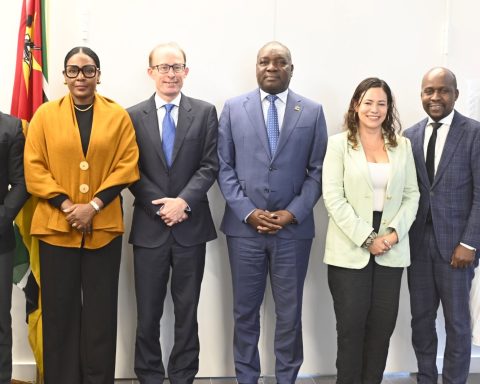
The effort has also helped generate broader national dialogue. On 1 November 2024, the National Media Law Forum brought together 101 stakeholders, including parliamentarians, media professionals, civil society representatives, and UN and EU diplomats. Participants discussed legal reform, criminal defamation, and journalist safety, while calling for stronger legal protection of journalistic sources and the adoption of a law on the legal status of whistleblowers.
UNESCO adds that the Forum was complemented by a series of multi-stakeholder consultations on the Draft Law on Media Freedom, and that the Network has since developed a joint Action Plan to improve journalists’ access to legal assistance. This makes the initiative more than a short-term intervention: it is increasingly positioning itself as a lasting national resource for protecting press freedom in Mongolia.