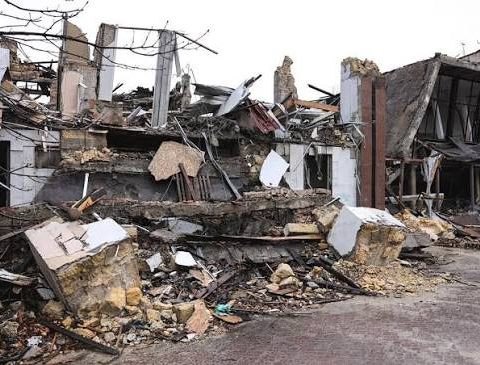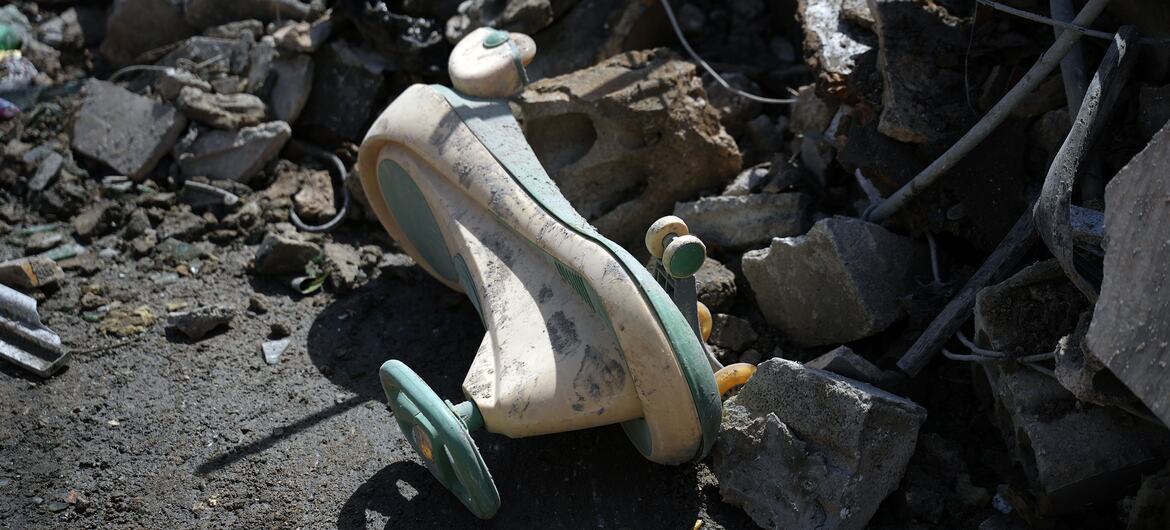
Hostilities across the Middle East are continuing to generate wider humanitarian and economic fallout, according to UN-linked updates published on 7 April 2026. The latest live coverage says ongoing strikes are increasing civilian impacts while placing additional strain on critical infrastructure and humanitarian services.
The same updates indicate that displacement remains high, aid access is constrained, and the conflict’s security and economic consequences are now rippling far beyond the region. Diplomatic attention is also intensifying in New York, where the UN Security Council is expected to vote on a Bahrain-led draft resolution concerning the situation in the Strait of Hormuz.
The broader economic implications are becoming more visible as well. Reuters reported on 7 April that Afreximbank launched a $10 billion response programme to cushion African and Caribbean economies from the fallout of the Gulf crisis. Reuters also cited IMF Managing Director Kristalina Georgieva as warning that the war would slow global growth and raise inflation, with energy disruptions and reduced fiscal space likely to hit vulnerable countries especially hard.
Taken together, these developments suggest that the crisis is no longer defined only by battlefield dynamics. It is also becoming a test of civilian protection, humanitarian access, infrastructure resilience, energy security and multilateral diplomacy. The 7 April updates underscore how the conflict’s consequences are being felt simultaneously in local communities, international institutions and global markets.