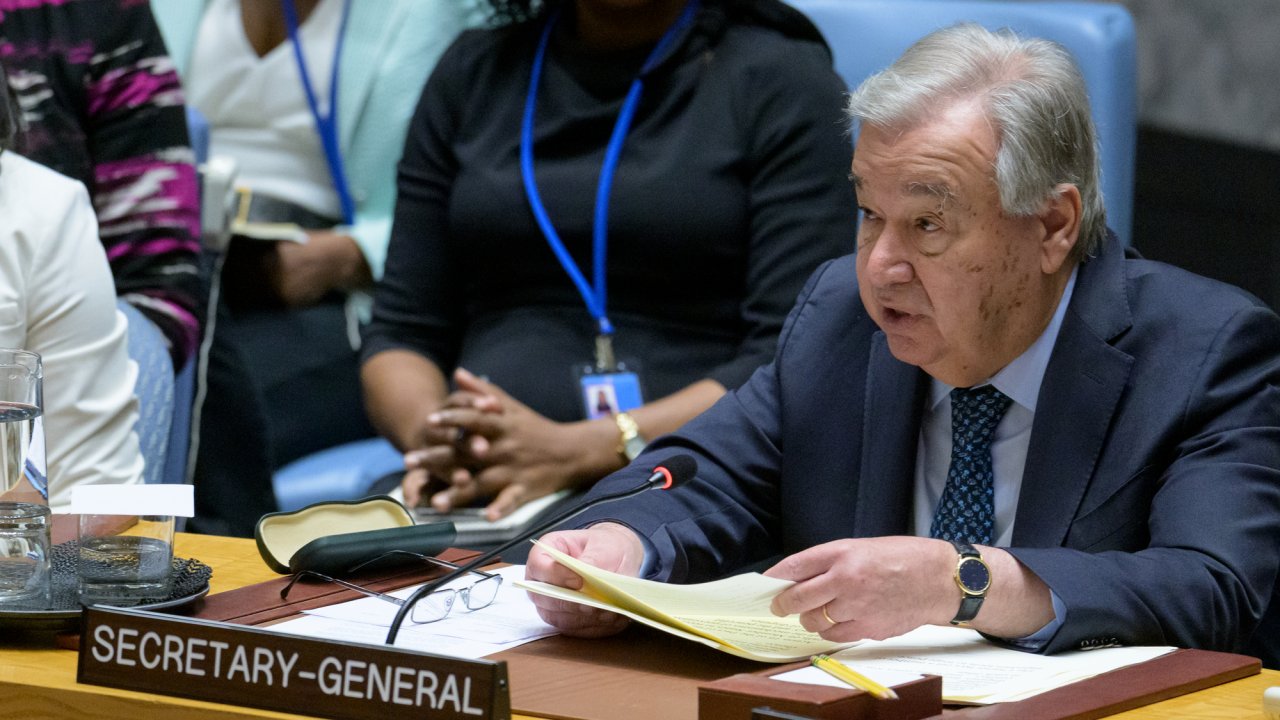
The United Nations has officially begun the process of selecting its next Secretary-General, who will take office in 2027. Beyond an institutional transition, the selection is being closely watched by civil society actors as a key moment for the future of participation, rights-based governance, and multilateral cooperation.
The UN Secretary-General is not only the organization’s top diplomat and administrative leader, but also a figure who helps shape how visible and influential civil society can be within global governance processes. For human rights groups, women-led organizations, youth networks, humanitarian actors, and advocacy coalitions, the choice of the next UN leader carries broad political and civic significance.
The process begins with nominations by member states, followed by public dialogues in which candidates present their vision and respond to questions. The final appointment is made by the General Assembly on the recommendation of the Security Council. Yet the decisive influence of the Council’s permanent members continues to raise concerns about transparency, accountability, and inclusiveness.
From a civil society perspective, the core issue is not only who will lead the UN next, but what kind of leadership will emerge. At a time when civic space is shrinking, rights defenders are under pressure, and confidence in multilateral institutions is under strain, there is growing demand for a Secretary-General who engages more openly and consistently with civil society.
Calls around gender equality, regional representation, and participatory leadership are also gaining momentum in this cycle. The fact that no woman has ever served as UN Secretary-General has further amplified demands from equality-focused movements and advocacy groups for a more representative process.
In this sense, the 2026 selection process is more than a diplomatic procedure. It is also a test of how the UN will position civil society, human rights, and public-interest values in the years ahead.