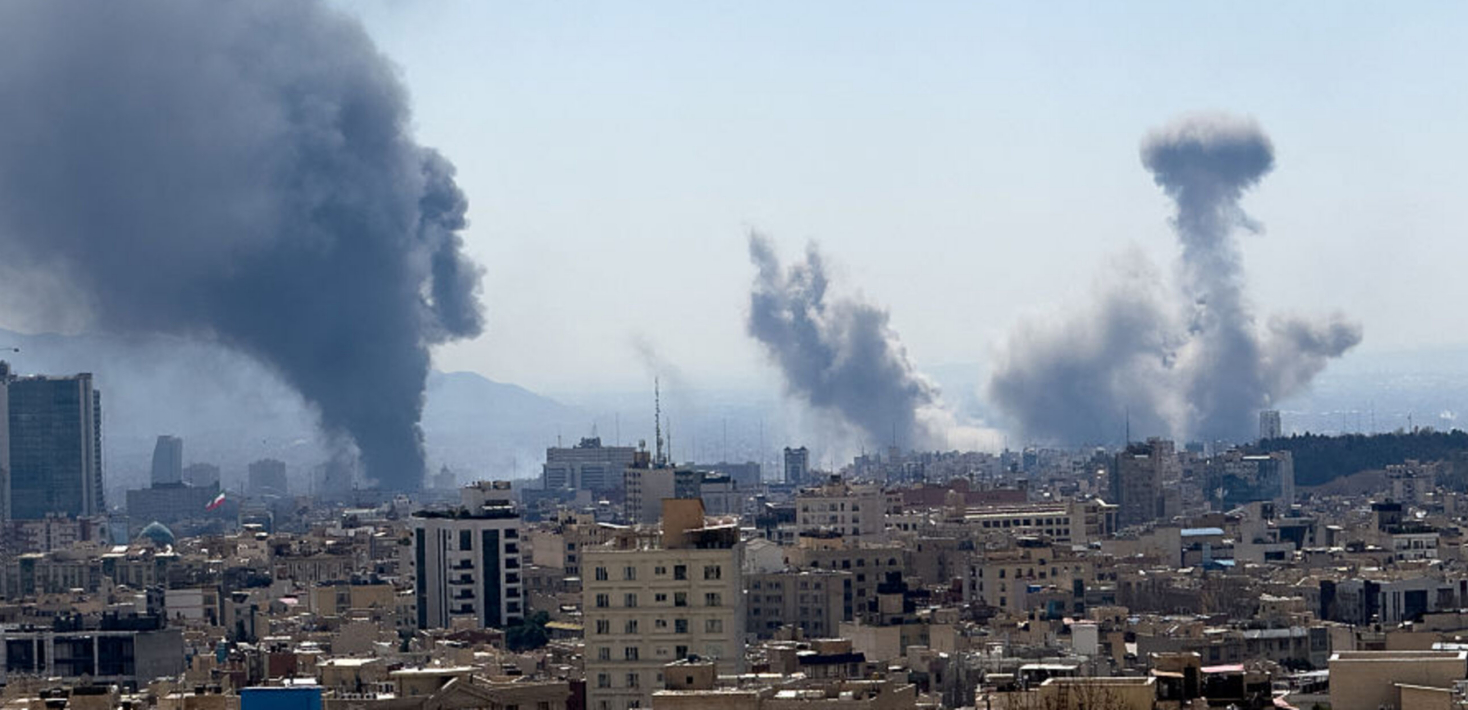
Amnesty International issued an urgent call on 3 March 2026 for all parties to protect civilians and comply with international law amid escalating hostilities across the Middle East following US-Israeli attacks on Iran. The organization specifically called for an end to unlawful attacks, including deliberate, indiscriminate or disproportionate attacks on civilians and civilian infrastructure.
According to Amnesty’s statement, military operations have spread across the region and now involve more than 10 countries, causing significant civilian casualties and destruction of civilian infrastructure. The organization also noted an escalation in Israeli attacks on Lebanon and a wider wave of Iranian retaliatory attacks across the region.
Amnesty International Secretary General Agnès Callamard said civilians should not pay the price for what she described as unlawful and reckless acts by parties to the conflict. She urged parties to immediately refrain from direct attacks on civilians, indiscriminate and disproportionate attacks, and the use of explosive weapons with wide-area effects in densely populated areas.
Attacks on Iran and Amnesty’s reported findings
In its statement, Amnesty cited the Iranian Red Crescent Society as reporting that 787 people had been killed in Iran by 3 March since the attacks began. Amnesty also cited Iranian authorities as saying that about 150 school children were among 165 people killed when a school in Minab, Hormozgan province, was struck on 28 February. Amnesty further said the UN described the bombing as a “grave violation of humanitarian law” and that the UN Human Rights Office called for a prompt, impartial and thorough investigation. These figures and descriptions are presented by Amnesty as attributed claims.
Amnesty additionally stated that it had verified six videos from the aftermath of the strike, showing smoke rising from a partially collapsed building and rescue efforts in the rubble. The organization warned that attacks impacting schools, hospitals, residential buildings and other civilian sites raise serious concerns of possible violations of international humanitarian law.
The statement also said Iranian authorities shut down internet access again on 28 February, which Amnesty said blocked millions from accessing essential information and communicating with loved ones while also suppressing information flows about possible violations.
Regional spillover: Gulf, Israel, Lebanon and Iraq
Amnesty said Iranian authorities responded with missile and drone attacks in Israel and across the Gulf region, including the UAE, Qatar, Bahrain, Kuwait, Oman and Saudi Arabia. The organization cited media reports and official government statements indicating civilian deaths, injuries and damage to infrastructure in some incidents, including falling debris from intercepted missiles or drones.
The statement also referenced media and rescue agency reports in Israel indicating at least 10 people killed and many more injured, along with damage to buildings in Tel Aviv. Amnesty framed these developments as further evidence that civilian protection must be the top priority across the region.
On Lebanon, Amnesty said Israel significantly escalated its attacks overnight on 2 March after Hezbollah rocket attacks on northern Israel. Citing Lebanese authorities, Amnesty reported at least 40 people killed and 246 injured by 3 March, and said broad evacuation warnings had displaced hundreds of thousands of civilians.
On Iraq, Amnesty said a faction of Iran-aligned militias claimed responsibility for multiple drone attacks in Erbil and later Baghdad, primarily targeting US military facilities.
Amnesty’s core demands
Amnesty International called on all parties to comply with international humanitarian law, launch immediate investigations where civilians were killed or injured or where civilian infrastructure was damaged, and hold those responsible for violations to account. It also called for urgent protection of civilian infrastructure including airports, hospitals, residential buildings, schools and prisons, safe and unhindered humanitarian access, and independent international monitoring.
Callamard said the escalating crisis poses a grave threat to multilateralism and the integrity of the international legal order, and urged the international community to intensify diplomatic efforts to prevent further military escalation and civilian harm.