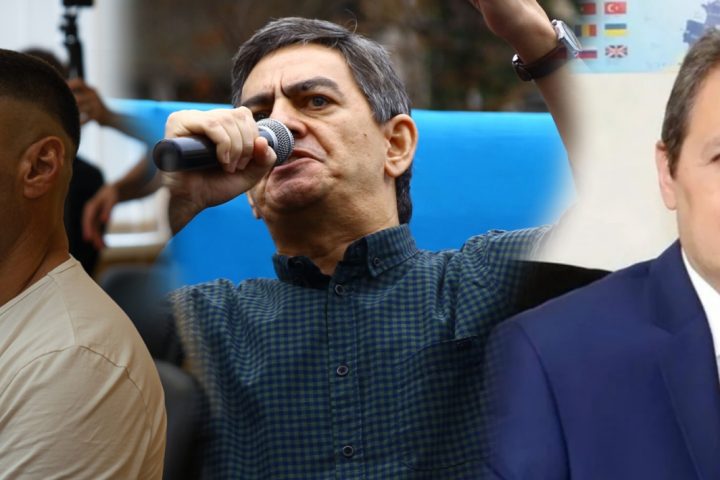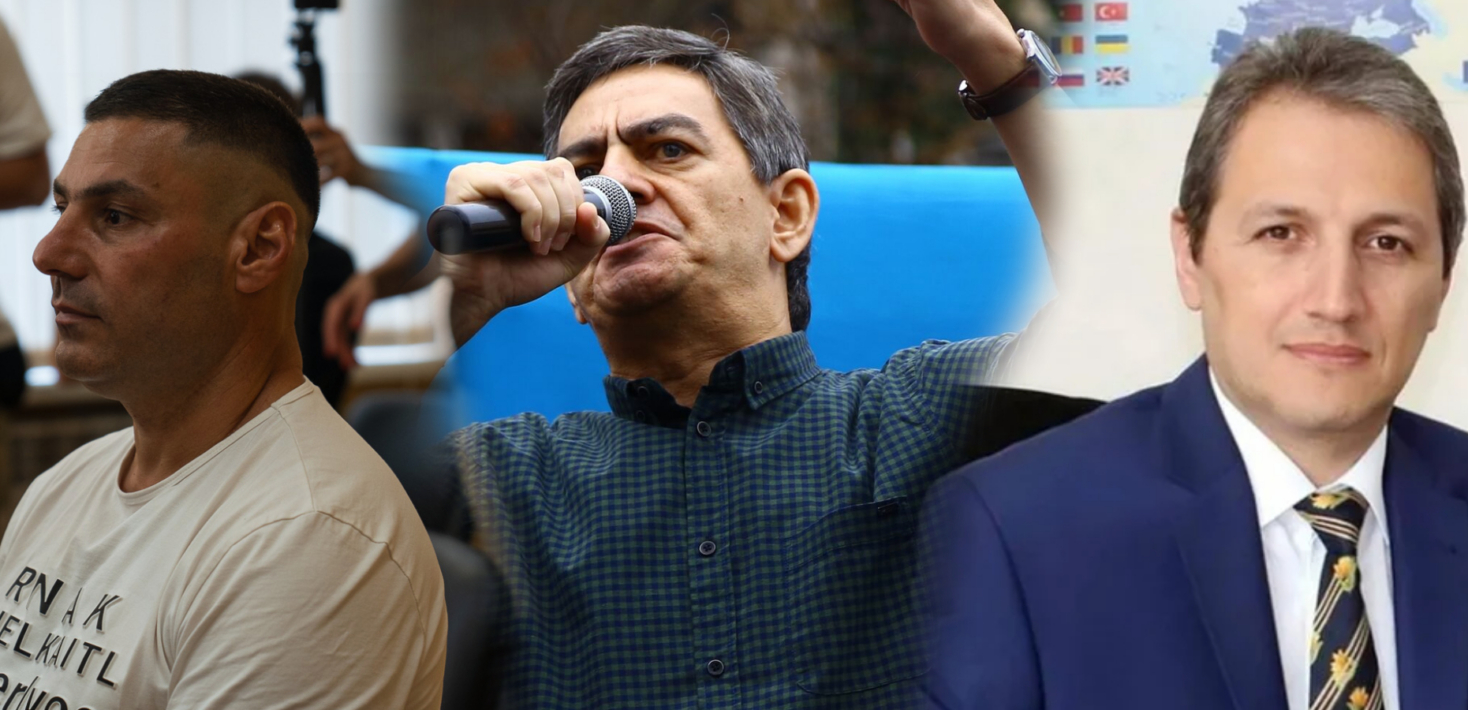
Amnesty International has raised concerns over Azerbaijan activist detention, reporting deteriorating health conditions for opposition leader Ali Karimli and media expert Alasgar Mammadli while urging Ukraine not to extradite political activist Bahruz Hasanli. The organization issued its statement on 11 August 2026.
Amnesty said information from family members and lawyers indicated that Karimli and Mammadli had experienced serious health deterioration in detention. It called on Azerbaijani authorities to provide prisoners with adequate drinking water, ventilation and necessary medical care. The claims and characterizations in the statement have not been independently verified by Civil Society Post.
Health concerns in detention
According to Karimli’s family, he fainted from severe dehydration during a 6 August court hearing concerning an appeal for house arrest. Amnesty reported that access to drinking water in his cell had been cut and that an electricity outage left ventilation equipment unavailable. Karimli, chair of the Azerbaijan Popular Front Party, has been detained since November 2025 on charges related to the alleged violent seizure of power and change of the constitutional order.
Mammadli, a media lawyer and co-founder of Toplum TV, was sentenced on 27 July to 14 years in prison alongside other media workers and civil society activists. Amnesty described the charges as politically motivated and said his lawyers had repeatedly requested house arrest because of worsening health problems.
Extradition case in Ukraine
Hasanli has lived in Ukraine with his family for five years. He was detained in Kharkiv on 27 July following a request from Azerbaijan’s Prosecutor General’s Office, according to Amnesty. A district court released him on 30 July, but he was detained again on 6 August after an appeal while extradition proceedings continue.
Amnesty said Hasanli denies the fraud-related allegations against him and considers them connected to his political activity. The organization urged Ukraine to comply with the principle of non-refoulement and not transfer him to a country where it says he could face torture or other ill-treatment.
The statement places the three cases within what Amnesty describes as a broader campaign affecting journalists, activists, government critics and opposition figures in Azerbaijan. No response from Azerbaijani or Ukrainian authorities was included in the source publication.