English short summary: Afghanistan child malnutrition now affects 3.7 million children as funding cuts shut or suspend nearly 600 health facilities.
Afghanistan child malnutrition is worsening, with nearly one in 10 children under five experiencing wasting while falling humanitarian funding has closed or suspended almost 600 health facilities. Save the Children said on 13 August 2026 that 3.7 million children are affected by acute malnutrition as essential health services come under growing pressure.
Wasting worsens across two thirds of Afghanistan
Levels of wasting—an acute form of malnutrition—deteriorated in two thirds of Afghanistan’s provinces during the second quarter of 2026 compared with the same period a year earlier. Save the Children cited UN monitoring that linked the increase partly to rising infectious disease.
The number of acutely malnourished children under five has increased by 14 per cent over four years. Afghanistan is now in its peak malnutrition season, intensifying the risks for children who cannot reach treatment.
Aid cuts close hundreds of health facilities
Humanitarian funding for Afghanistan fell from USD 3.27 billion in 2022 to USD 1 billion in 2025. Only USD 438 million had been secured more than halfway through 2026, leaving a 74 per cent funding gap.
Nearly 600 health facilities have closed or suspended services because of funding reductions, affecting around four million people, approximately half of them children. Save the Children said 700,000 people—including 140,000 children under five—have lost access to primary healthcare following closures or reductions at facilities and mobile teams it supported since early 2025.
Remote clinics remain an essential lifeline
Save the Children has used short-term funding to keep 14 clinics open after aid cuts. One clinic in a remote mountainous area of northern Afghanistan is the only healthcare provider for about 10,000 people and receives more than 100 patients a day.
Some residents walk for two or three hours to reach doctors, nutrition nurses and midwives. Travel to a city hospital can cost about USD 60, while closure of the local clinic could leave patients facing a seven-hour journey on foot.
Multiple crises increase pressure on children
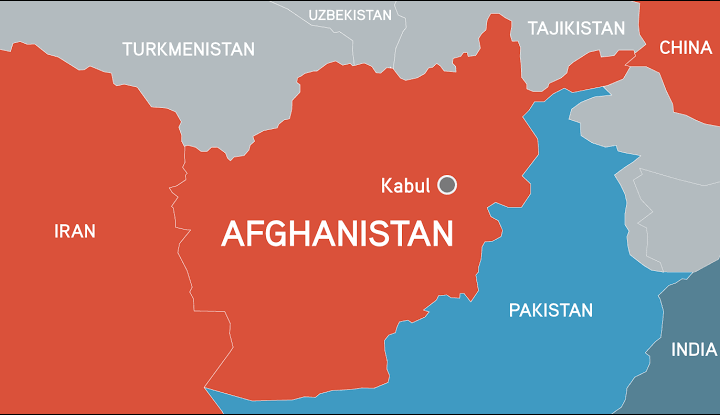
Afghanistan’s population has grown by as much as 12 per cent since September 2023. More than six million people have returned from Iran and Pakistan as the two countries enforce residency criteria or deport Afghans who do not meet them.
Save the Children said hunger, large-scale returns, internal displacement, natural disasters, recent conflict and four years of drought are stretching limited humanitarian resources. The figures show that short-term clinic funding is preventing immediate service losses, but sustained financing remains necessary to protect access to nutrition and primary healthcare.