UNICEF says the Niger humanitarian crisis is worsening as child malnutrition rises and an 85% funding gap threatens essential services.
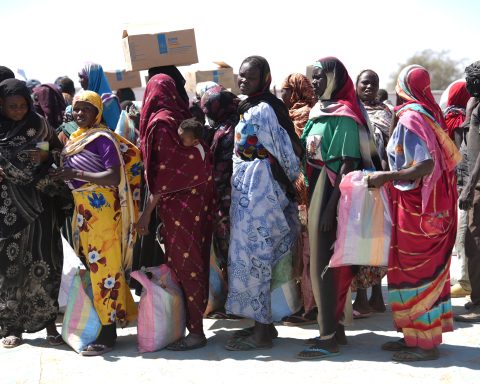
The Niger humanitarian crisis placed growing pressure on children during the first half of 2026, with severe acute malnutrition admissions rising 15.25% from the same period in 2025, according to a new UNICEF situation report published on 3 August.
Between January and June, 194,903 children under five were admitted to nutritional recovery centres for severe acute malnutrition. UNICEF said most cases were concentrated in the Maradi and Zinder regions.
Measles response reaches 140,508 children
Niger had recorded 10,232 measles cases across 47 health districts by June 2026. UNICEF procured vaccines for emergency campaigns in nine priority districts, reaching 140,508 children between six months and 14 years of age.
The agency also continued coordinating the Nutrition, Water, Sanitation and Hygiene (WASH), and Education clusters, as well as the Child Protection Area of Responsibility, despite continuing funding shortages.
Education support targets displaced children
In areas affected by insecurity and displacement, UNICEF provided remedial learning activities to 14,320 children, more than half of them girls, to reduce school dropout. Another 4,389 children received distance-learning support.
These interventions form part of a wider humanitarian response covering health, nutrition, education, WASH and child protection in cooperation with Niger’s government, United Nations agencies and non-governmental organizations.
UNICEF appeal faces an 85% funding gap
UNICEF requested US$82.9 million for life-saving assistance in Niger, but reported that 85% of the appeal remained unfunded. The agency warned that the shortfall threatens the continuity of essential interventions.
The combination of rising malnutrition, a widespread measles outbreak and disrupted education shows how funding constraints can affect several dimensions of children’s well-being at the same time.