Short Summary: Sudan’s 2026 nutrition response identifies 8.4 million people in need, including about 5 million children under five.
Sudan’s 2026 nutrition response identifies an estimated 8.4 million people who require nutrition assistance, including approximately 5 million children under five. The Nutrition Cluster’s latest planning material, published through ReliefWeb on 2 August 2026, sets out the people-in-need figures and targets for both the prioritized Humanitarian Needs and Response Plan and the wider response.
Planning figures guide the 2026 response
The document separates the overall scale of nutrition needs from the population prioritized under the 2026 Humanitarian Needs and Response Plan. This distinction is intended to support operational planning and help humanitarian partners focus limited resources while retaining a picture of needs beyond the prioritized plan.
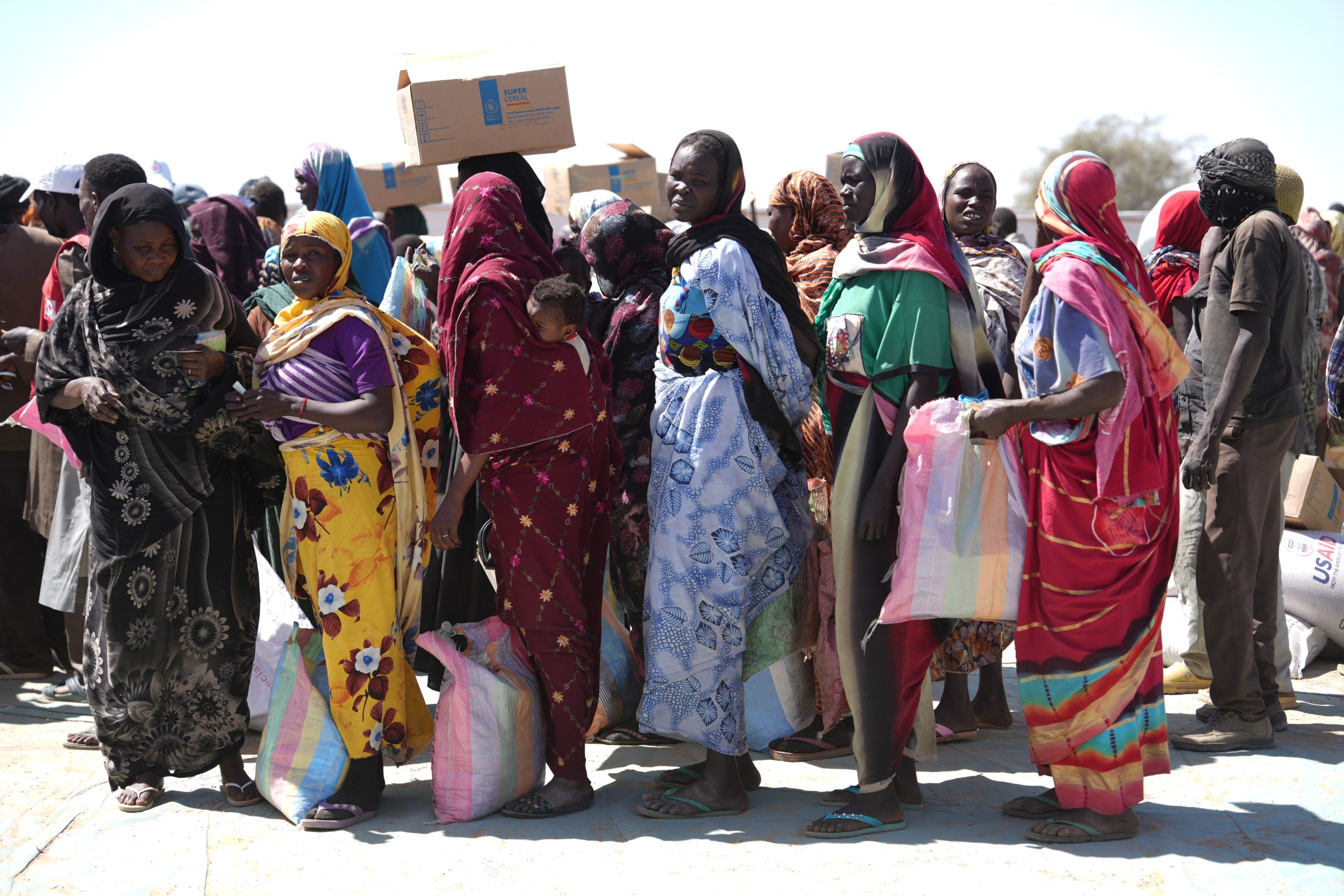
The Nutrition Cluster’s 2026 planning narrative estimates that 8.4 million people in Sudan will need nutrition assistance during the year. Children under five account for about 5 million of that total, placing child nutrition at the centre of the humanitarian response.
Priorities shaped by a prolonged humanitarian crisis
The figures provide a common planning basis for organizations delivering nutrition services across Sudan. They also underline the gap that can emerge between the total number of people assessed as needing support and the number humanitarian actors can realistically prioritize within an available response plan.
The published material is a planning resource rather than an announcement that assistance has already reached the identified population. Its significance lies in defining the scale of need and the target groups against which humanitarian coverage and resources can be assessed.