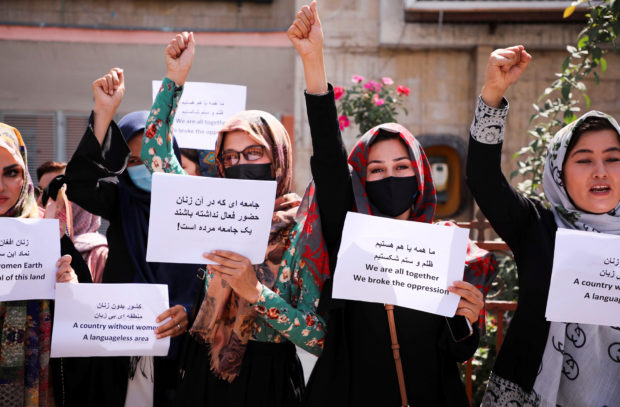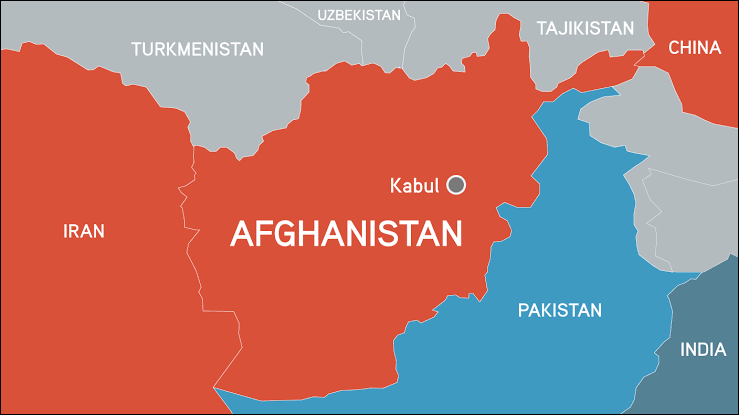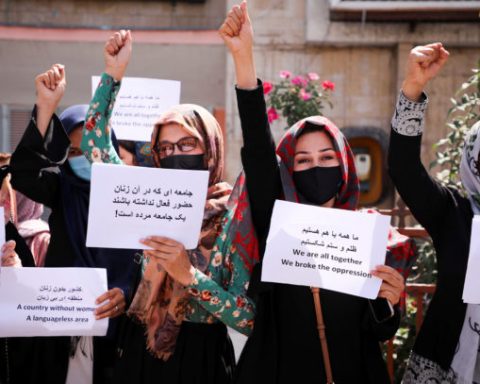
The Afghan women’s rights crisis has deepened five years after the Taliban takeover, with more than 100 decrees issued since August 2021 targeting women and girls, according to UN Women. New data published on 12 August 2026 describes worsening restrictions across law, healthcare, education, public life and employment.
Movement restrictions reshape daily life
More than half of the women interviewed by UN Women said they now leave home only twice a month or less. Nearly three-quarters reported feeling unsafe outside without a male guardian, or mahram, while more than half said they avoid public spaces such as markets and health facilities altogether.
UN Women said the restrictions are reinforced by a growing surveillance and enforcement system with broad powers to detain people. The resulting climate of fear is felt particularly sharply by women and girls.
Women’s health and access to justice deteriorate
Seven in ten women surveyed described their mental health as bad or very bad. Access to healthcare has also become more difficult because of mobility restrictions and shortages of female nurses and doctors. Afghanistan recorded an estimated 638 maternal deaths per 100,000 live births in 2024.
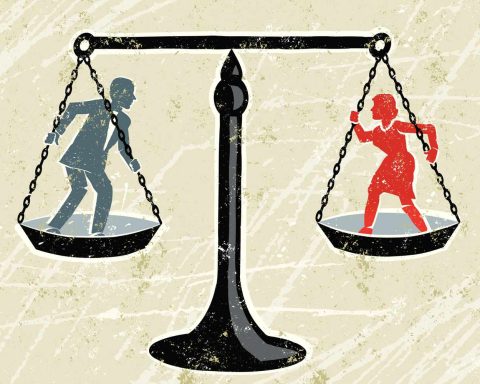
UN Women also highlighted two decrees issued in 2026. Decree No. 12 removed legal equality between men and women, placed husbands in a position of legal authority over their wives and recognized marital violence as a crime only when it causes severe, visible physical injuries. Decree No. 18 made it substantially harder for women to leave a marriage while preserving men’s unilateral right to divorce and implicitly permitting child marriage.
Education and employment gaps threaten the future
Afghanistan remains the only country enforcing a systematic ban on girls attending high school and women attending university. Current restrictions could leave the country with more than 25,000 fewer female teachers and health workers by 2030.
Women’s labour-force participation remains extremely low: only 7 per cent of women are employed, compared with 84 per cent of men. UN Women said the continuing exclusion of women is projected to cause cumulative economic losses of USD 920 million, equivalent to 5.8 per cent of gross domestic product, between 2024 and 2026.
Aid cuts put women-led services at risk
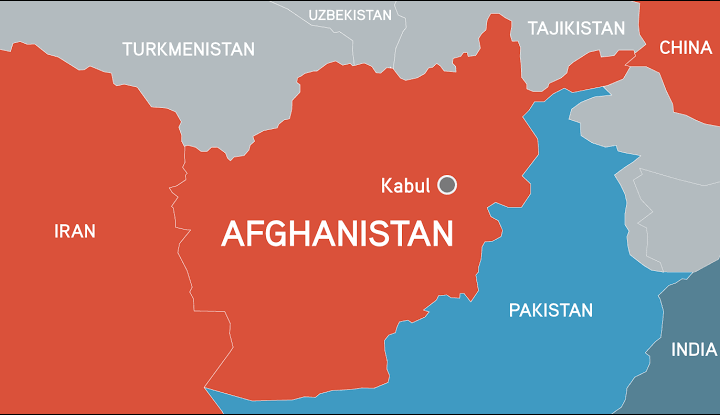
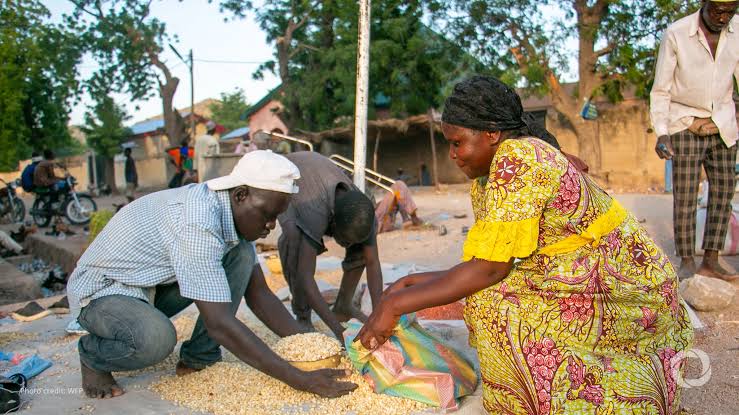
More than 10.7 million women and girls in Afghanistan need humanitarian assistance in 2026. Fewer than one in five women returning from Iran and Pakistan can earn an income, increasing debt and food insecurity among returnee households.
Nearly three-quarters of surveyed women-led organizations experienced funding cuts in 2025, and more than half expected to suspend operations or close within the following year. These organizations provide services including protection from violence, healthcare, psychosocial support, livelihoods assistance and emergency relief.
The figures indicate that legal restrictions, limited mobility and shrinking resources are reinforcing one another, making women’s access to basic services and public participation increasingly difficult.