Born Perfect Bus Tour Shifts Attitudes on FGM in Liberia
Short summary: Born Perfect Bus Tour data show major attitude changes in Liberia as communities unite to challenge female genital mutilation.
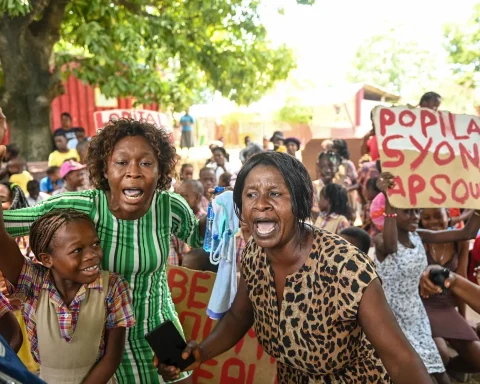
The Born Perfect Bus Tour is bringing communities, survivors and traditional leaders together to challenge female genital mutilation in Liberia, according to a UN Women feature published on 10 August 2026. The community-driven initiative has travelled through Totota and Palala in Bong County, creating space for locally led discussion about the practice and the rights of women and girls.
The campaign combines community outreach with religious, medical and legal information about FGM. Survivors, activists, former practitioners, cultural influencers and religious leaders have taken part in conversations designed to address the social norms that sustain the practice.
FGM in Liberia: Pilot data show changing attitudes
Impact findings from Bong and Gbarpolu counties indicate that the outreach was associated with substantial shifts among people who engaged with the campaign. Eighty-five per cent of participants said the tour changed their minds about FGM, while the intention to send daughters to Bush Schools fell by 73 per cent between the baseline and endline assessments.
More than half of people surveyed, 54 per cent, were aware of the campaign and four in ten had engaged with it directly. Among those who participated, 89 per cent described the tour as having a positive impact, and three quarters said they had learned something new.
Community-led FGM prevention reaches remote areas
The tour was launched on 6 February 2026, the International Day of Zero Tolerance for Female Genital Mutilation. It is led by Medica Liberia with funding from Irish Aid and UN Women in Liberia, and travels from village to village to reach communities where the practice remains prevalent.
Survey results also recorded changes in attitudes toward Bush Schools. The share of respondents who believed the system was acceptable as it stood declined by 80 per cent. Perceived community support for the practice fell by 74 per cent, while support for removing FGM initiation from Bush Schools rose by 40 per cent.
Medica Liberia campaign highlights local ownership
Agreement with the campaign’s message that girls are born perfect increased by 65 per cent. The findings also point to improved understanding of the physical and psychological harms of FGM and its implications for human rights.
Researchers identified early signs of sustained behavioural change, including more family and community conversations and more people deciding not to subject their daughters to FGM. The assessment also emphasizes the importance of local media and outreach adapted to local conditions if the model is expanded.
UN Women presents support for Liberia’s efforts to end FGM as a priority and describes the bus tour as a way to strengthen the voices of communities, survivors and traditional leaders. The evidence suggests that locally led engagement can influence attitudes when it combines trusted messengers with clear health, legal and rights-based information.