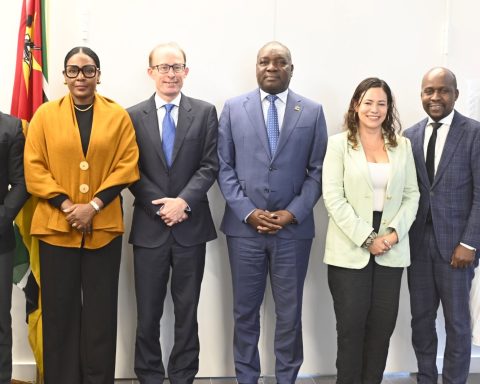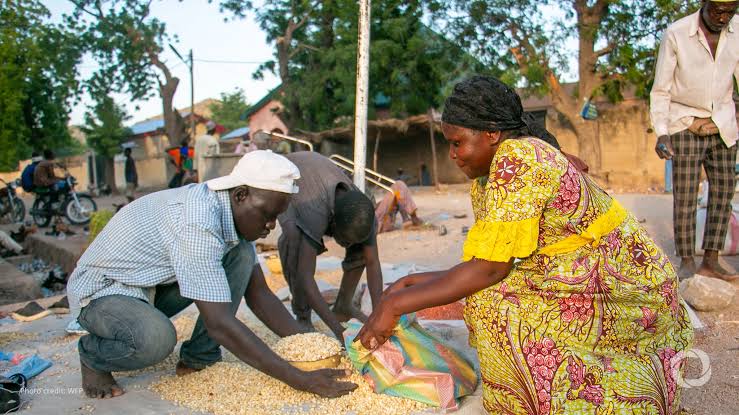
Japan has contributed JPY 200 million—about USD 1.25 million or XAF 708 million—to expand Cameroon food assistance for more than 13,000 refugees and internally displaced people. The World Food Programme announced on 12 August 2026 that the funding will provide three months of emergency food support in the Adamawa and Far North regions.
Food support targets Adamawa and Far North
The contribution is expected to assist nearly 6,200 refugees in Adamawa and approximately 7,250 internally displaced people in the Far North. Communities in both areas face persistent food insecurity linked to insecurity, climate shocks and recurrent flooding.
Recipients will receive in-kind food packages containing rice, canned fish, vegetable oil and salt. WFP said the three-month allocation is intended to address immediate food and nutrition needs while reducing pressure on families to adopt harmful coping strategies.
Humanitarian needs remain high across Cameroon
Nearly 2.9 million people in Cameroon require humanitarian assistance, according to WFP. This figure includes more than two million refugees, internally displaced people and returnees affected by overlapping crises.
Between January and June 2026, WFP reached nearly 120,000 people with emergency support. The Far North alone hosts more than 120,000 Nigerian refugees and over 500,000 displaced Cameroonians, making it one of the country’s most heavily affected regions.
WFP reports a 93 per cent funding gap
WFP estimates that it needs a further USD 43.2 million to sustain its Cameroon operations over the six months from August 2026 through January 2027. The agency reported a 93 per cent funding gap for that period.
Without additional contributions, WFP warned that reductions in assistance may become necessary. Children, pregnant women and breastfeeding women would face heightened risks of hunger and malnutrition if support is cut.
Japan’s contribution will provide time-limited relief to targeted communities, but the scale of Cameroon’s humanitarian needs and the funding shortfall indicate that broader, sustained support remains necessary.