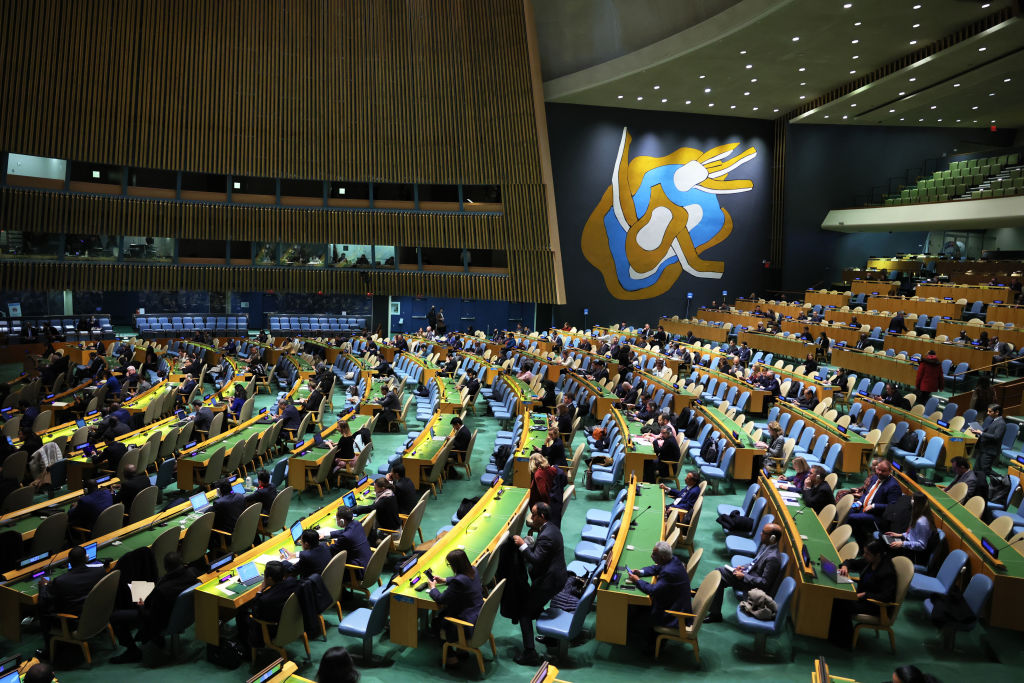
Global civil society organizations have welcomed the United Nations General Assembly’s vote on a new climate accountability resolution, describing it as an important step toward turning international climate law into concrete action. The resolution was adopted on May 20, 2026, with broad support from UN Member States, following the International Court of Justice’s landmark 2025 Advisory Opinion on states’ obligations in relation to climate change.
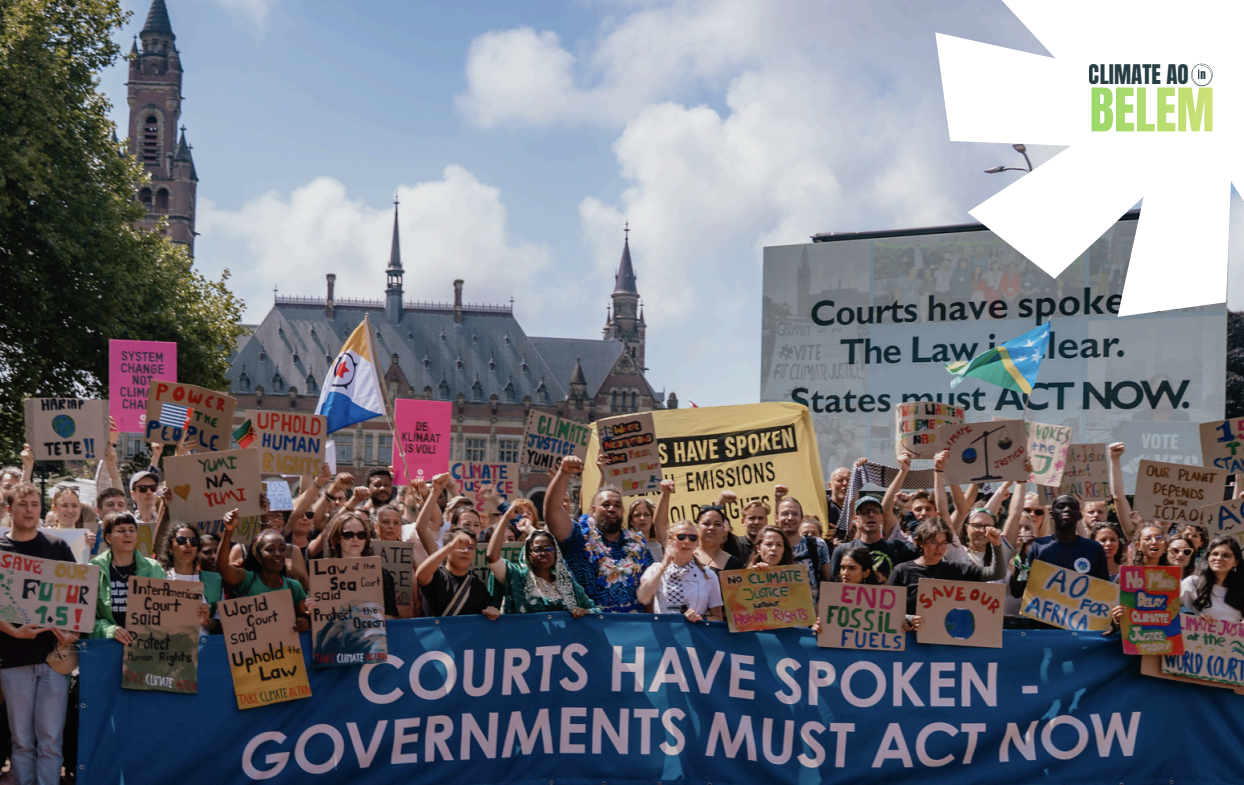
According to the Center for International Environmental Law, the vote reaffirmed that the climate crisis must be addressed through justice, accountability, and the rule of law. Civil society groups emphasized that governments now have a responsibility to align their policies with legal obligations, human rights standards, and the urgent need to prevent further climate harm.
The resolution builds on the ICJ’s Advisory Opinion, which clarified that climate action is not only a political choice but also a legal obligation under international law. The UN General Assembly vote was led by Vanuatu and supported by a cross-regional group of states, reflecting years of advocacy by youth movements, Indigenous Peoples, frontline communities, climate-vulnerable nations, and environmental justice organizations.
Civil society representatives stated that the decision should serve as a turning point for climate accountability. They called on governments to accelerate a just and equitable transition away from fossil fuels, protect communities already facing severe climate impacts, strengthen climate finance, and ensure that national climate policies are consistent with international legal guidance.
The vote also highlighted the growing role of international law in the global climate response. While the resolution itself is not binding, climate advocates argue that it strengthens political momentum, supports future climate litigation, and increases pressure on states to act in line with science, equity, and human rights. Reuters reported that the resolution passed with 141 votes in favor, 8 against, and 28 abstentions.
For civil society organizations, the outcome represents a clear message: climate justice is not charity, but a matter of accountability. The coming period will show whether governments can translate this international commitment into real-world policies that reduce emissions, protect vulnerable communities, and deliver a fair transition for present and future generations.