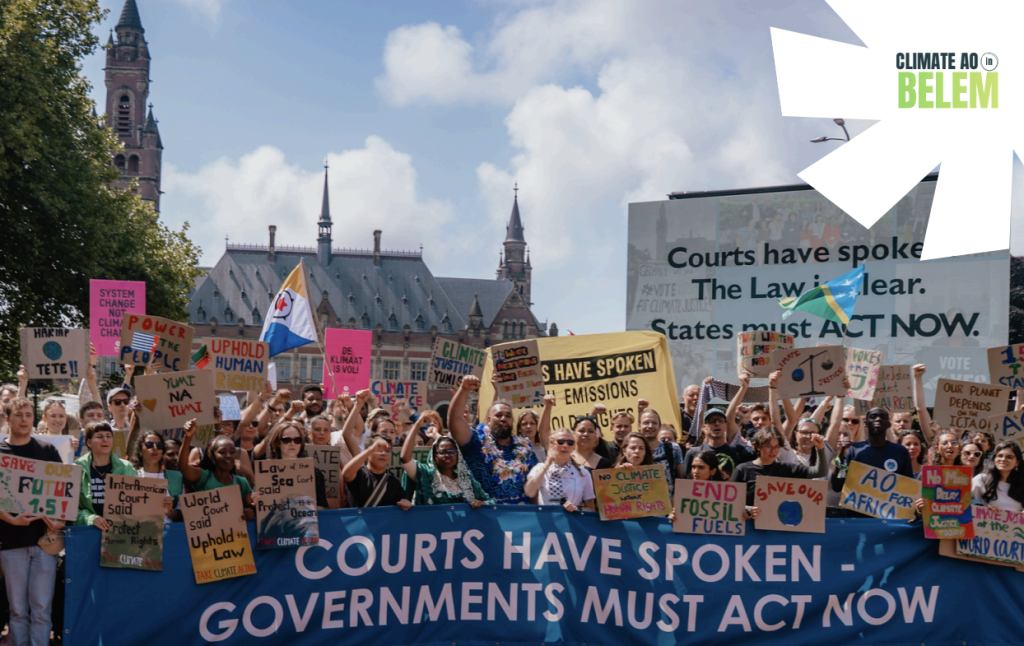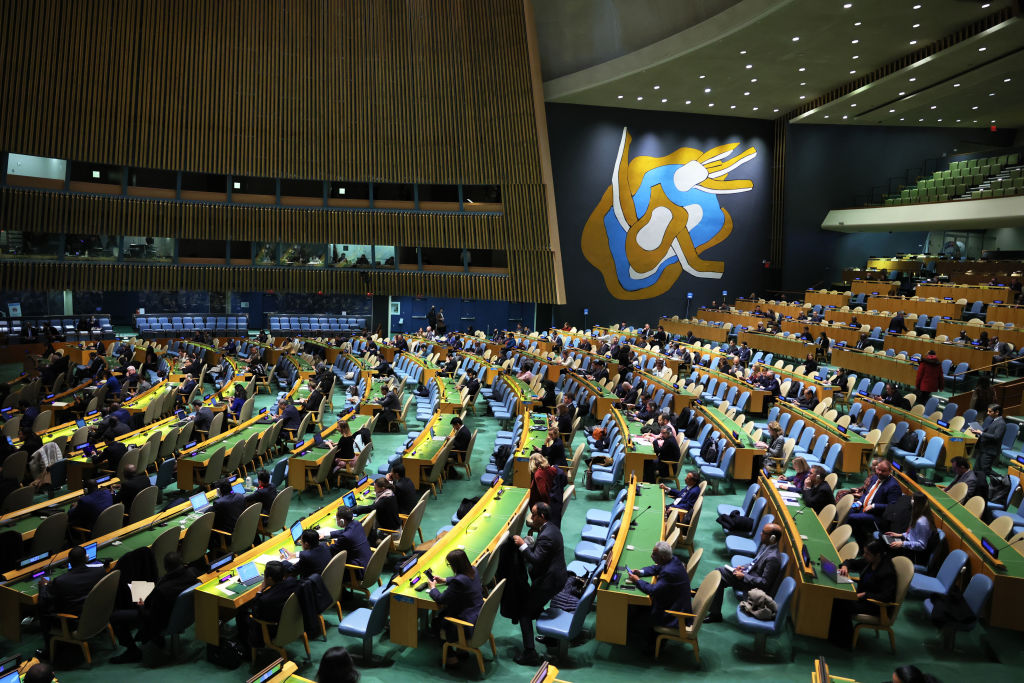
The United Nations General Assembly has adopted a new climate accountability resolution, a move welcomed by Amnesty International as an important step toward strengthening climate justice and protecting human rights in the face of the escalating climate crisis. The resolution was adopted on 20 May 2026 by an overwhelming majority.
According to Amnesty International, the resolution reinforces the legal duties of states to address the human rights impacts of climate change, building on the 2025 Advisory Opinion of the International Court of Justice. That opinion clarified that protecting the global climate system is not only a political commitment but also a legal obligation for governments.
The resolution is seen as a significant development because it seeks to translate the ICJ’s findings into a practical roadmap for action, cooperation and accountability. Amnesty International emphasized that climate change is already driving severe harms affecting health, livelihoods, housing, food security and the rights of present and future generations.
Vanuatu, one of the countries most threatened by rising sea levels, played a leading role in advancing the initiative. The Pacific island nation had also been central to the diplomatic campaign that led to the ICJ’s 2025 Advisory Opinion, a process sparked by the advocacy of young Pacific law students.
Amnesty International stated that the UN resolution could help shape global climate accountability for years to come. The organization also warned that political decisions such as weakening climate protections, delaying fossil fuel phase-outs or rolling back environmental regulations risk undermining international progress at a critical moment.
The adopted resolution was supported through cross-regional cooperation, with contributions from states including Vanuatu, Barbados, Burkina Faso, Colombia, Jamaica, Kenya, the Marshall Islands, Micronesia, the Netherlands, Palau, the Philippines, Singapore and Sierra Leone.
For civil society organizations and human rights defenders, the resolution represents a renewed opportunity to demand stronger climate action from governments. It also places greater emphasis on the responsibility of states to prevent further climate-related harm, remedy existing damage and cooperate internationally to protect vulnerable communities.
As climate impacts intensify across the world, the resolution may become an important reference point for future climate litigation, policy reforms and international negotiations. Its adoption signals that climate change is increasingly being treated not only as an environmental issue, but as a global human rights and accountability challenge.