Jordan refugee population stands at 379,323, with Syrians accounting for 93.9% of people registered by UNHCR.
The Jordan refugee population stood at 379,323 registered people on 31 July 2026, according to new figures published by the UN Refugee Agency. Syrians made up 93.9% of the total, while refugees and asylum seekers from Iraq, Yemen, Sudan, Somalia and other countries were also recorded.
Syrian refugees in Jordan form 93.9% of total
UNHCR data list 356,316 people from the Syrian Arab Republic. The next-largest registered groups were 12,035 Iraqis, 6,075 Yemenis and 4,208 Sudanese. A further 311 people were registered from Somalia and 378 were recorded under other countries of origin.
The figures provide a countrywide snapshot of people registered with UNHCR rather than a count limited to refugee camps. The agency says the population comes predominantly from Syria but includes several other communities requiring registration, documentation and protection services.
Refugees outside camps remain the majority
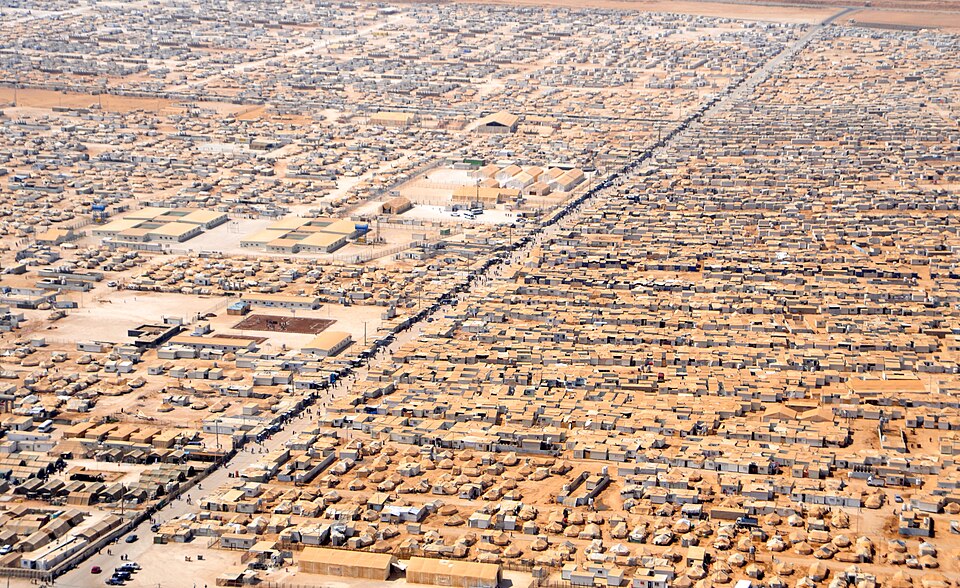
UNHCR reports that about 80% of registered refugees in Jordan live outside camps and close to half are children. The agency coordinates services in Azraq and Za’atari camps while maintaining offices and operational capacity in Amman, Irbid and other locations.
Thousands of Syrians have voluntarily returned home since December 2024, gradually reducing the registered population. UNHCR says it does not promote large-scale returns, but assists refugees who make an informed and voluntary decision to return.
UNHCR Jordan data tracks diverse communities
The latest population update replaces the external statistical report previously used for UNHCR-registered refugees and asylum seekers in Jordan. Monthly reporting offers humanitarian organizations and public authorities a common reference for planning protection, documentation and basic-needs assistance.
UNHCR notes that continuing uncertainty in Syria, including concerns about security, housing and livelihoods, means many refugees are not planning to return in the foreseeable future. The July figures therefore remain relevant to the long-term coordination of services both inside and outside camps.