Amnesty International warned on 21 April 2026 that the world is approaching a dangerous new era shaped by what it describes as predatory attacks on multilateralism, international law and human rights. In launching its State of the World’s Human Rights 2025/26 report, the organization said powerful states, corporations and anti-rights movements are driving a broader assault on the global rules-based order. Amnesty’s assessment, covering 144 countries, argues that governments and international institutions must reject appeasement and respond collectively before this emerging order becomes entrenched.
According to Amnesty, the crisis is no longer limited to the gradual erosion of protections at the edges of the international system. The organization says 2025 and early 2026 exposed a deeper breakdown, with mounting violations and weakened accountability across multiple conflict zones and political contexts. In the report, Amnesty points to developments linked to Gaza, Ukraine, Sudan, the Democratic Republic of Congo, Iran and Afghanistan, while also highlighting growing pressure on international justice mechanisms, including the International Criminal Court. The organization argues that these trends are putting millions of lives, livelihoods and access to essential services at greater risk.
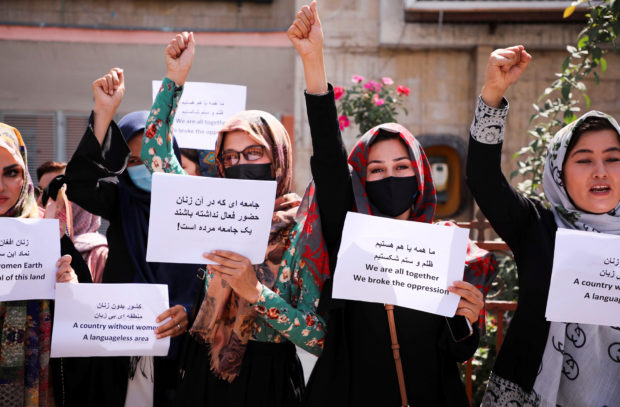
The report also places major emphasis on the shrinking space for civil society. Amnesty says authorities in many parts of the world intensified crackdowns on protesters, dissenters, human rights defenders and independent organizations through excessive force, broad security legislation, digital censorship and AI-enabled surveillance. It further argues that sweeping cuts to international aid budgets by countries including the United States, Canada, France, Germany and the United Kingdom have had severe consequences for NGOs working on press freedom, climate resilience, gender justice, refugee protection and healthcare access.
At the same time, Amnesty says resistance has not disappeared. The organization highlights youth-led protests across several countries, transnational solidarity actions, efforts to disrupt arms flows to Israel, new support for international accountability initiatives, and institutional moves such as the Philippines handing former president Rodrigo Duterte over to the ICC. It also points to new UN mechanisms on Afghanistan and eastern DRC, as well as landmark climate-related advisory opinions from international courts, as evidence that multilateral action remains possible. Amnesty’s central message is that 2026 should become a year of decisive collective action to rebuild the global order around human rights, the rule of law and universal values.