Global humanitarian funding cuts have left at least one million women and girls without access to life-saving services and critical assistance, according to a new report released by UN Women.
The report, titled “Beyond the Breaking Point,” highlights the growing pressure on women-led organizations and women’s rights groups operating in humanitarian crises. It is based on 855 responses collected from organizations working across 52 crisis-affected countries.
Demand for Support Is Rising
According to the findings, 84 percent of surveyed organizations have experienced a significant increase in demand for their services since January 2025. However, nearly nine out of ten organizations said they were unable to meet the growing needs of women and girls.
Funding shortages are also threatening the future of many local organizations. Around 40 percent of respondents warned that they could temporarily or permanently close within the next 12 months unless urgent financial support is provided.
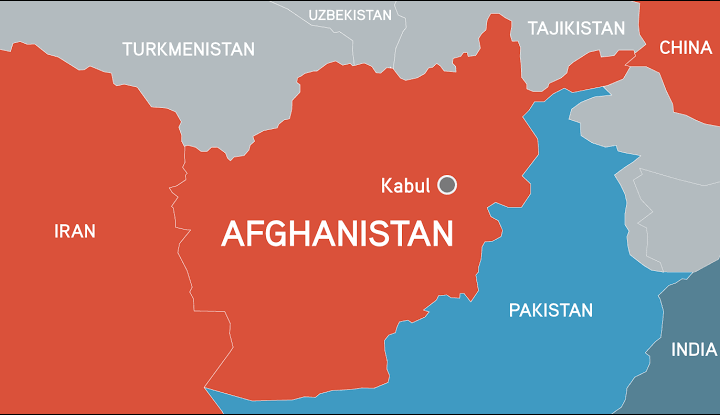
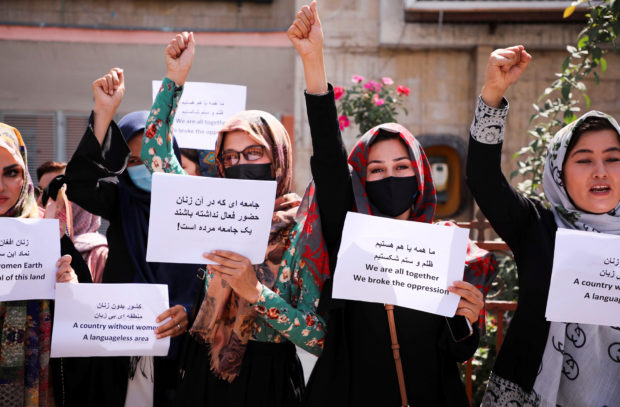
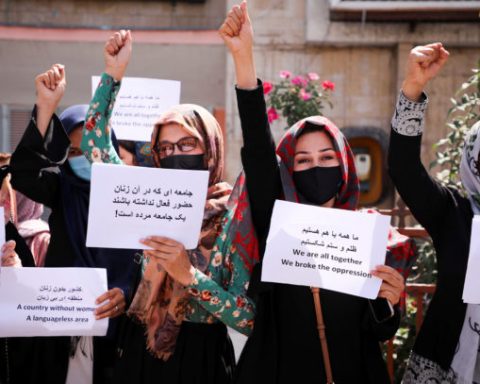
Organizations working in overlooked and underfunded crises, including Afghanistan, Haiti and the Democratic Republic of the Congo, are facing particularly severe challenges.
Around 120 Million Women and Girls Need Humanitarian Assistance
An estimated 120 million women and girls worldwide currently require humanitarian assistance and protection.
Reduced funding for women-led organizations is creating major gaps in essential services, including protection from violence, healthcare, food assistance, psychological support, legal services and safe accommodation.
Sixty percent of surveyed organizations reported that they were reaching fewer women and girls than before January 2025. Almost half said they had been forced to establish waiting lists or turn away people seeking support because of insufficient resources.
Staff Members Are Working Without Pay
The financial crisis is also placing extraordinary pressure on humanitarian workers.
Approximately 65 percent of surveyed organizations said staff members were working without pay to keep essential services running. More than three-quarters had reduced their workforce, while 48 percent reported rising levels of burnout among employees.
Many frontline workers are themselves affected by armed conflict, displacement, poverty and insecurity while continuing to support vulnerable communities.
UN Women Humanitarian Action Chief Sofia Calltorp warned that withdrawing funding from women’s organizations also removes support from survivors of conflict-related sexual violence, displaced mothers and girls who have been forced out of education.
Gender-Based Violence Is Increasing
The report found that 86 percent of women-led organizations had observed an increase in gender-based violence in the communities where they operate.
Sixty-two percent also reported that safe spaces where women and girls could seek protection and assistance had either closed or significantly reduced their services.
Conflict-related sexual violence cases reportedly doubled in 2025, while funding cuts weakened case management, protection and recovery services for survivors.
Organizations operating in remote and hard-to-reach areas have been particularly affected, with approximately 63 percent reducing their activities because of financial constraints.
Women’s Participation in Decision-Making Is Declining
The consequences of humanitarian funding cuts extend beyond emergency assistance.
One in five surveyed organizations said it had suspended programmes designed to strengthen women’s leadership and advance gender equality. More than half reported a decline in women’s participation in local decision-making and community leadership.
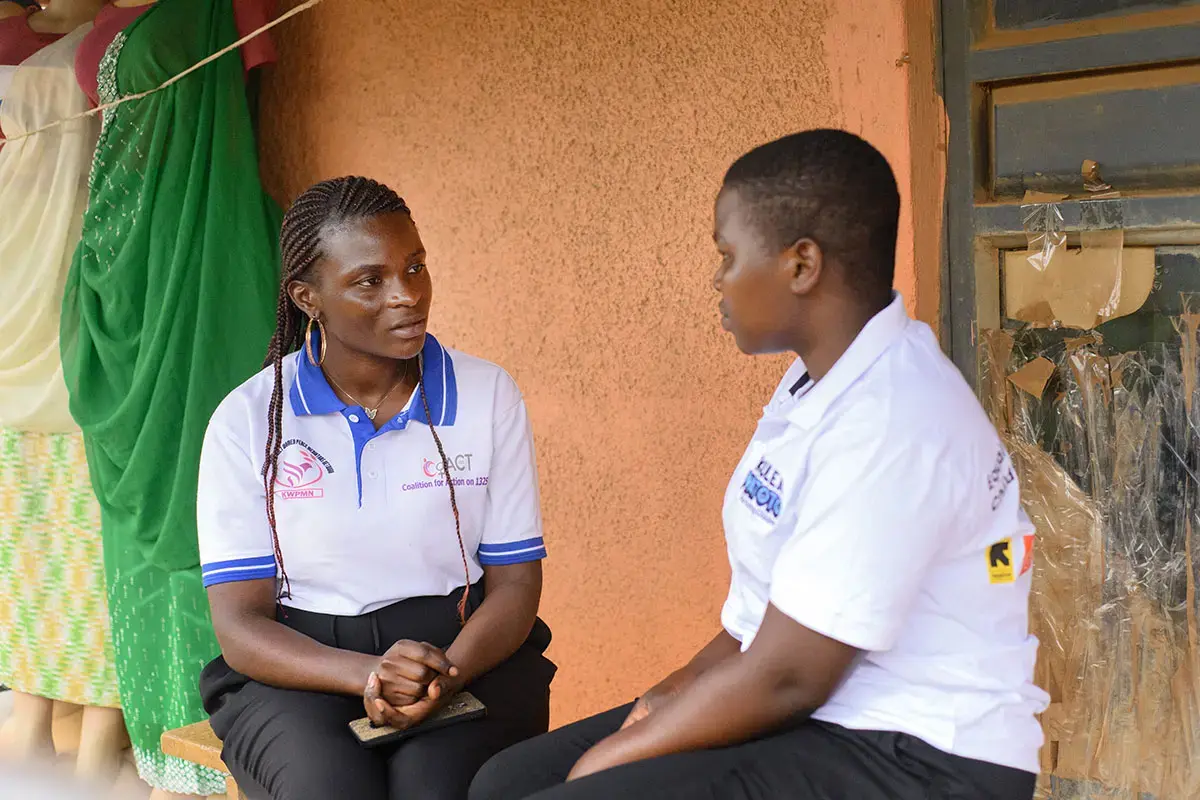
UN Women stressed that local women’s organizations are often the only actors capable of reaching women and girls in crisis-affected communities.
The organization called on international donors to protect humanitarian funding, provide direct and flexible financial support to women-led groups and ensure that gender equality remains central to emergency response efforts.
UN Women warned that weakening these organizations threatens not only the humanitarian system but also years of progress in women’s rights, protection and gender equality.
Tags:
UN Women, humanitarian aid cuts, women’s rights, girls’ rights, women-led organizations, gender equality, gender-based violence, humanitarian crisis, women’s leadership, international aid, civil society organizations, humanitarian funding