UN Climate Change Executive Secretary Simon Stiell has delivered a powerful warning to governments, declaring that the transition to clean energy is no longer simply an environmental objective. It has become a critical issue of economic resilience, political stability, and national security.
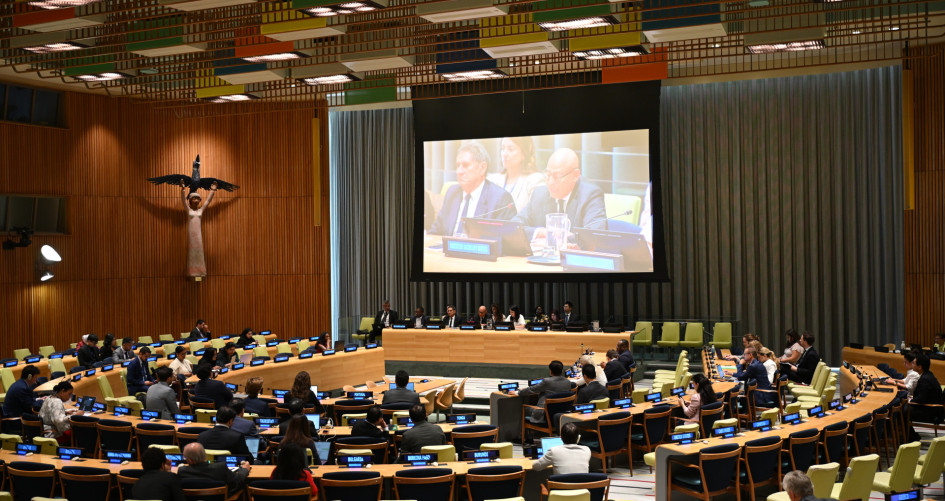
Speaking during the United Nations General Assembly’s dialogue on the global energy transition, Stiell said countries that remain heavily dependent on fossil fuels are increasingly exposed to price shocks, geopolitical tensions, and disruptions in global energy markets.
He stressed that renewable energy systems can provide countries with greater control over their energy supply while reducing dependence on volatile international fossil fuel markets. Expanding solar, wind, and other clean energy sources, he said, can lower energy costs, create jobs, attract investment, and strengthen national resilience.
Stiell also warned that the climate crisis is intensifying food insecurity, water shortages, displacement, and economic instability. These pressures can deepen social tensions and increase the risk of conflict, making climate action an essential part of global peace and security strategies.
Referring to the commitments adopted at COP28, the UN Climate Chief called for global renewable energy capacity to be tripled and progress on energy efficiency to be doubled by 2030. He also urged governments to accelerate the shift away from fossil fuels in a way that is fair, inclusive, and beneficial to all communities.
Stiell emphasized that developing countries must receive stronger financial and technical support to participate fully in the energy transition. He called on international financial institutions and multilateral development banks to provide greater funding for modern electricity grids, clean technologies, and sustainable infrastructure.
According to Stiell, accelerating the clean energy transition will help protect countries from future energy crises, strengthen economic stability, and reduce long-term security risks.
His message to world leaders was clear: investing in renewable energy is no longer only about protecting the climate. It is about protecting national economies, communities, and the future security of nations.