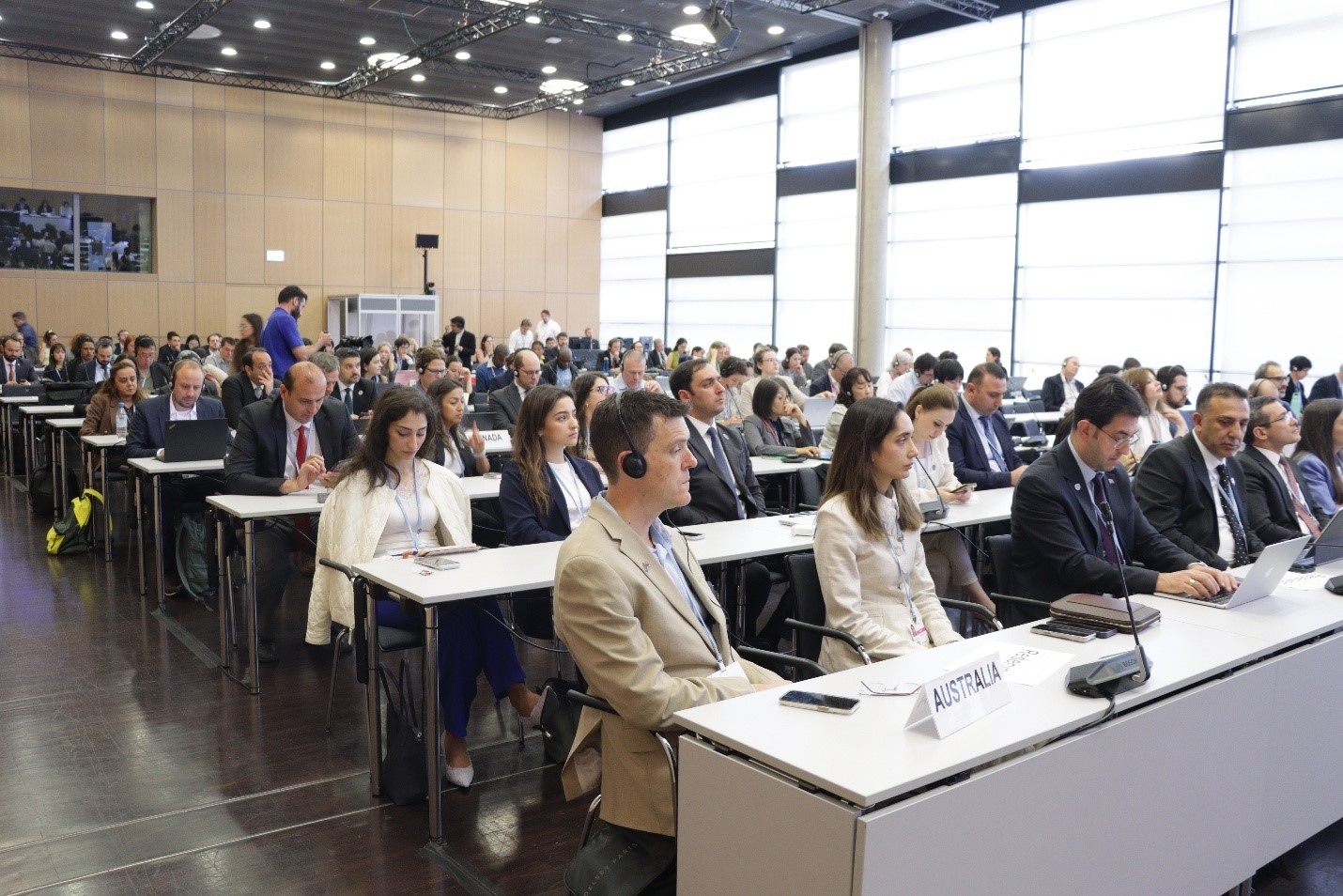
The United Nations Climate Change secretariat has underlined that transparency under the Paris Agreement is far more than a reporting obligation. As countries prepare the next round of climate transparency reports, UNFCCC says the Enhanced Transparency Framework is becoming a strategic tool for stronger climate action, better decision-making, increased investment confidence and the delivery of climate commitments. The message was emphasized during a high-level dialogue at the June Climate Meetings in Bonn, according to a UNFCCC article published on 17 June 2026.
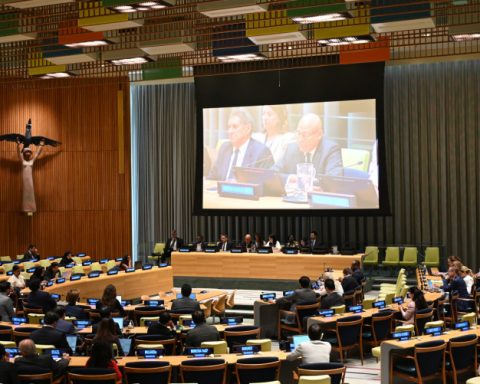
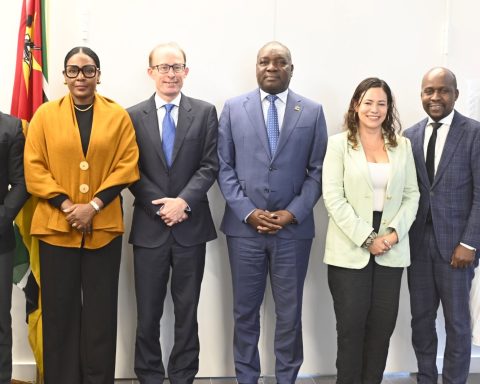
The dialogue was organized by UN Climate Change through the #Together4Transparency initiative, together with the COP29 Presidency’s Baku Global Climate Transparency Platform and the COP30 and COP31 Presidencies. It brought together senior government representatives, heads of delegation, international organizations and transparency experts to review progress and strengthen political momentum for continued implementation of the Enhanced Transparency Framework.
Participants stressed that effective transparency systems help countries improve data management, strengthen institutional coordination, design better climate policies and engage stakeholders more effectively. The event also highlighted the role of Biennial Transparency Reports in informing global climate policy, supporting the global stocktake and guiding investment and decision-making.
Fatma Varank, COP31 Chief Executive Officer and Deputy Minister of Environment, Urbanisation and Climate Change of Türkiye, stated that transparency supports stronger climate policies, improves coordination among public institutions, strengthens the investment and financing environment and reinforces countries’ long-term transformation capacities.
Despite progress, participants acknowledged that major challenges remain, especially for developing countries facing limited technical and financial capacity. International organizations including UNEP, UNDP, the GEF, ICAT and FAO highlighted their ongoing support through funding, technical assistance and capacity-building to help countries meet transparency requirements and improve future reporting cycles.
Looking ahead, 2026 is a key year for the submission of second Biennial Transparency Reports. Speakers called for timely submissions, stronger support for developing countries, and sufficient human and financial resources for technical expert reviews and the facilitative multilateral consideration of progress. The dialogue concluded with a shared commitment to maintain momentum through upcoming high-level engagements, including Climate Week in Baku in September and a COP31 ministerial event in Antalya in November.