Zambia civic space is facing mounting pressure ahead of the country’s 13 August 2026 general election, Amnesty International said on 10 August. A new briefing by the organization documents restrictions affecting peaceful assembly, association, expression and media freedom, and urges candidates to commit to reversing measures that weaken human rights protections.
The assessment says Zambia has taken several positive steps in recent years, including repealing the offence of criminal defamation of the president, abolishing the death penalty and adopting an Access to Information Act. Amnesty nevertheless argues that the wider operating environment for civil society, journalists and government critics has deteriorated through vaguely framed and fast-tracked legislation.
Zambia general election approaches amid rights concerns
Amnesty based its briefing in part on interviews conducted in May 2026 with 14 human rights defenders and civil society representatives, including faith-based organizations. Researchers also spoke with seven journalists, four student leaders and two opposition politicians.
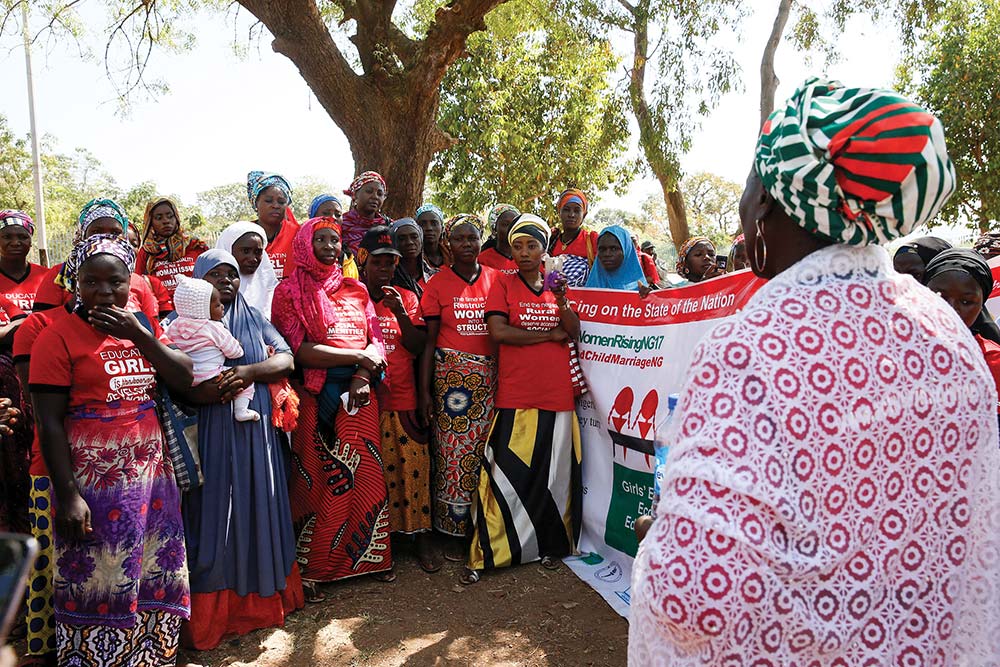
The organization says these accounts point to growing pressure on public participation and scrutiny of the authorities. It called on all election candidates to make clear commitments to protect civic freedoms and reverse practices that restrict independent voices.
NGO Bill Zambia raises concerns for civil society
A proposed NGO Bill is one of the central concerns identified in the briefing. Amnesty says the draft would give the government excessive authority over the registration, regulation, suspension and dissolution of civil society organizations, potentially limiting their independence and ability to operate.
The cancellation of the RightsCon conference in Zambia in May 2026 was also cited as an example of shrinking civic space. Amnesty said the decision raised broader concerns about the environment for organizations and individuals working on human rights and digital freedoms.
Media freedom in Zambia under pressure
The colonial-era Public Order Act remains in force. Parliament passed a Public Gatherings Bill on 12 May 2026, but the president declined to assent to it after identifying inconsistencies, leaving the older framework in place.
Amnesty also raised concerns about the Cyber Security Act and Cyber Crimes Act adopted in 2025. According to the briefing, the laws contain provisions that may erode freedom of expression and privacy and have been used against critics, journalists, activists and opposition figures.
The organization called for restrictive laws to be repealed or revised through inclusive consultation and for authorities to safeguard civic space. With voting scheduled for 13 August, the briefing places the protection of civil society and independent media among the rights issues facing Zambia’s next government.