Short summary: Southwest Syria violence intensified in July as ETANA recorded 14 targeted killings amid incursions, shelling and security concerns.
Southwest Syria violence intensified during July as repeated Israeli incursions, artillery fire and targeted attacks affected communities in Daraa and Quneitra, according to a briefing published by the Syrian civil society organization ETANA. The organization recorded 14 targeted killing incidents during the month and reported continuing concerns about security and accountability.
Daraa security concerns persist
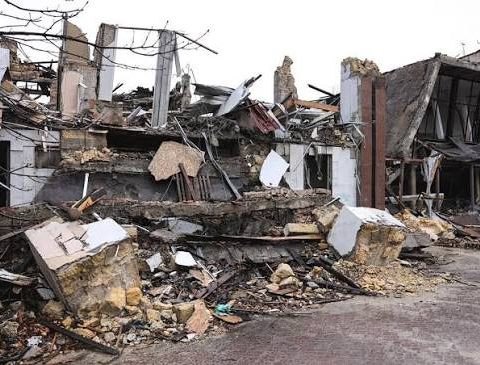
ETANA said Israeli troops continued to conduct ground incursions in western Daraa and Quneitra. It also documented repeated artillery fire on the outskirts of Abidin, Jamleh, Kudnah, Ma’ariyeh, Tal Ahmar and Taranjeh during July. The organization reported no casualties from those artillery incidents.
The most serious incident cited in the briefing was an Israeli strike on a vehicle near Hader that killed two Syrian men whom ETANA described as affiliated with Hezbollah. In a separate incident west of Jamleh, Israeli forces fired at young people who had blocked roads with stones, moderately wounding two of them, according to the organization.
Quneitra shelling and local gatherings
ETANA reported that drones and medium weapons were also used near Abidin and Ma’ariyeh to disperse gatherings or reopen blocked roads. Its briefing said artillery attacks on communities along the Quneitra border strip had occurred on a weekly basis, although no casualties had been reported there in recent weeks.
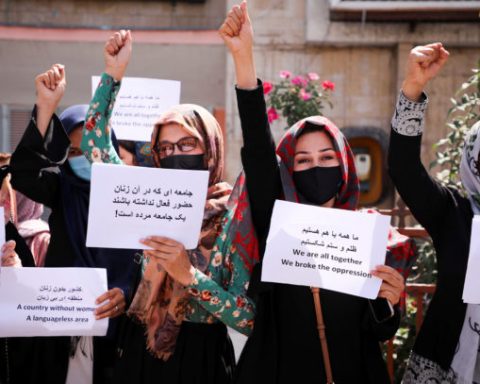
Several long-term detainees from southwest Syria were released during the previous month, the organization said. At the same time, around 150 relatives of other detainees gathered outside United Nations headquarters to demand their release.
Targeted killings and accountability
The 14 targeted killing incidents recorded by ETANA in July underline the continued fragmentation of the security environment in southern Syria. The organization said the interim authorities had taken some steps to strengthen accountability and professional standards within Internal Security, while warning that structural problems remained.
The briefing presents a picture of communities facing overlapping risks from cross-border military activity, local targeted violence and unresolved detention cases. ETANA’s findings are its own monitoring assessment and should be read as an account from a Syrian civil society organization operating in the region.