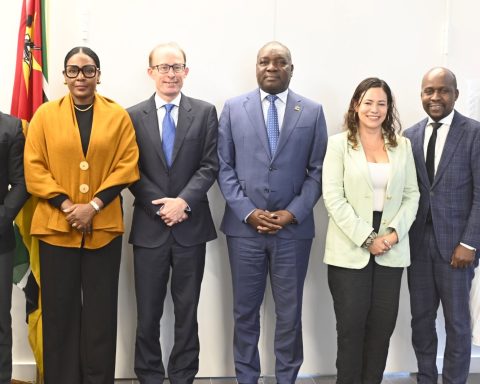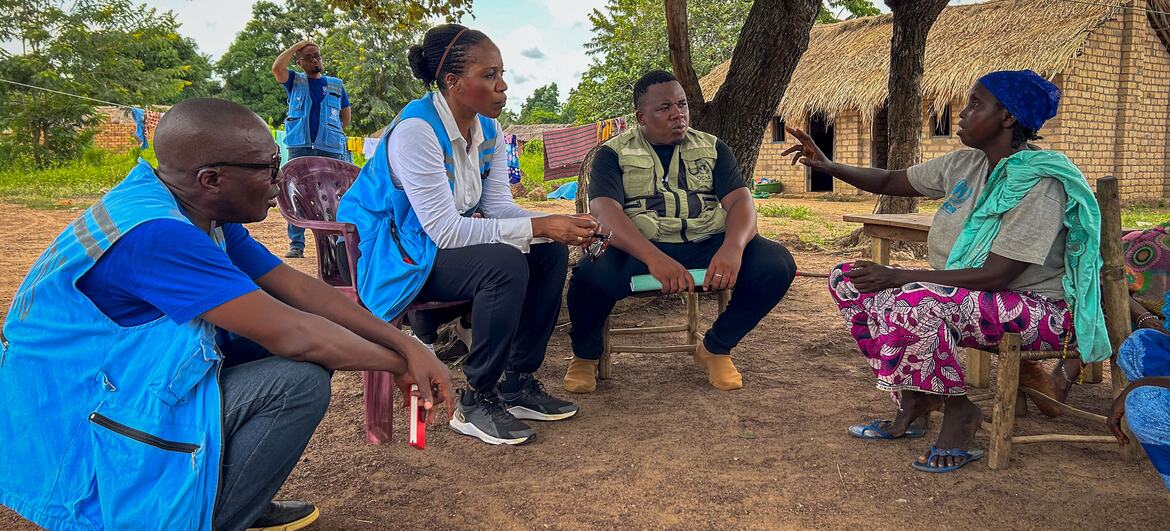
The Central African Republic is showing signs of progress toward stability and security, but severe funding cuts are putting life-saving humanitarian operations at risk, according to the United Nations. The warning came from Edem Wosornu, Director of OCHA’s Crisis Response Division, after her first visit to the country.
Despite years of strong donor support, the humanitarian response in the Central African Republic is now facing a serious funding gap. The UN reported that the 2025 humanitarian plan was less than 40 percent funded, while only 17 percent of the $268 million required for 2026 has been received so far.
The situation remains fragile. Around 2.3 million people in the country need humanitarian assistance, while aid agencies aim to reach 1.3 million of them. One in five citizens is displaced, underlining the scale of the crisis despite recent improvements in some areas.
Wosornu said communities are trying to rebuild their lives where security has improved. In Zemio, in the southeast near the border with the Democratic Republic of the Congo, some internally displaced people have returned to their communities, and farming has resumed in areas where peace allows.
However, UN officials warned that progress could quickly unravel without sustained international attention and funding. Humanitarian organizations are already being forced to reduce their presence, with international NGOs closing 20 percent of their offices and satellite offices across the country.
The funding crisis is also affecting health, food security, education, protection and support for survivors of gender-based violence. OCHA’s own operational presence has been reduced from 15 sub-offices and antenna offices to seven, limiting the ability of aid workers to reach vulnerable communities.
The Central African Republic is also hosting refugees from neighboring countries, including around 36,000 people fleeing the war in Sudan. UN officials noted that some Sudanese refugees, including doctors and nurses, could contribute to local humanitarian and economic efforts if properly supported.
As the country works to move beyond crisis mode, the UN is calling for urgent support to protect recent gains and prevent a deeper humanitarian emergency. Without renewed funding, millions of people could lose access to essential services at a critical moment for peace and recovery.